
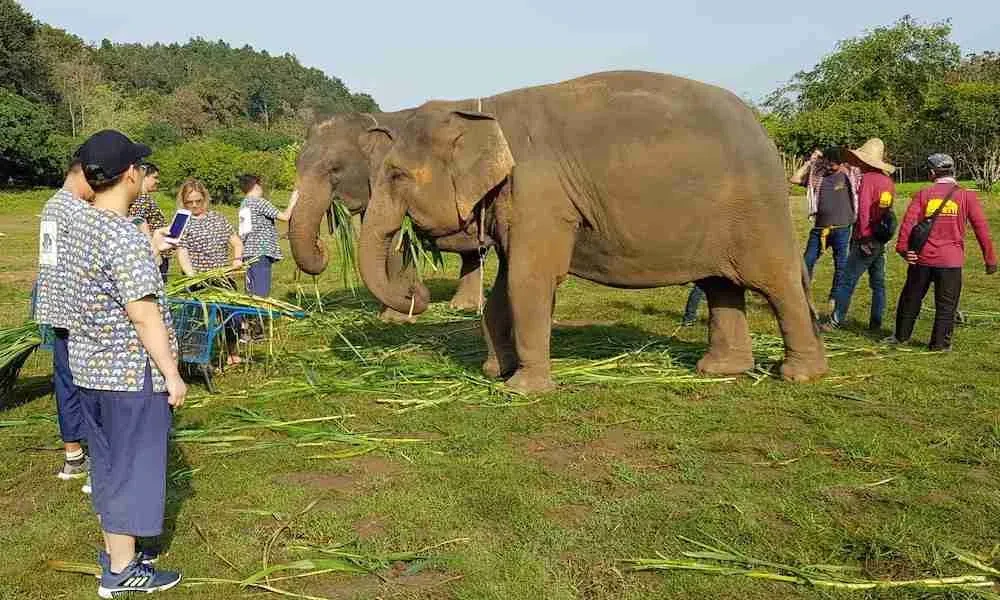
Understanding wildlife begins with observing the natural surroundings where animals live. Guided visits offer valuable lessons about their daily activities and natural needs. The elephant sanctuary samui provides opportunities to understand how these large animals interact with their surroundings. Visitors can learn about forest habitats through simple observations. Such visits also explain the importance of protecting natural resources. By discovering animal behaviour and environmental needs, people develop greater awareness of wildlife protection.
Natural Surroundings Support Wildlife Development
Forests provide essential resources that help large animals survive while supporting their daily activities and natural behaviour.
Forest Areas Provide Essential Shelter
Trees offer shade during warm weather while creating suitable spaces for resting and protection.
Water Sources Support Daily Activities
Natural water sources help animals drink regularly while maintaining healthy surroundings throughout changing seasons.
Trees Offer Valuable Natural Resources
Leaves, branches and other plant materials provide important resources for animals living within forest environments.
Responsible Visits Encourage Wildlife Awareness
Careful observation helps visitors understand the importance of respecting animal needs without disturbing their natural activities. Responsible practices include:
• Maintaining a suitable distance from animals.
• Following instructions from trained guides.
• Avoiding loud sounds near wildlife.
• Never forcing animals into activities.
• Keeping natural surroundings clean.
Learning About Animal Social Connections
Elephants often maintain close social relationships. Observing these connections helps visitors understand communication and group behaviour.
Plant Life Creates Suitable Living Spaces
Different plants contribute to healthy habitats by providing shade and supporting the surrounding ecosystem.
Environmental Changes Affect Wildlife Habitats
Changes in vegetation and water availability can influence animal movement. Habitat protection helps reduce these challenges.
Understanding Natural Behaviour Through Observation
Visitors gain useful knowledge by watching animals interact with their surroundings. These observations explain several important aspects of their daily routines. Learning through an elephant sanctuary samui can also highlight responsible wildlife care.
• Observe how elephants move through open spaces.
• Notice their interactions with surrounding plants.
• Learn about their resting habits.
• Understand their need for fresh water.
• Recognise the importance of protected surroundings.
Education Builds Respect For Wildlife
Educational activities encourage responsible attitudes. Visitors gain practical knowledge about protecting animals and their natural surroundings.
Community Support Strengthens Conservation Efforts
Local participation can support habitat preservation. Responsible tourism also encourages greater public interest in wildlife protection.
Protecting wildlife requires knowledge and responsible action. Visitors should respect animal boundaries while supporting conservation activities. Choosing responsible operators helps maintain suitable surroundings for future generations. Small actions such as following guidance and avoiding disturbance can make meaningful contributions. Greater awareness encourages communities to value natural habitats and protect the animals that depend upon them.
